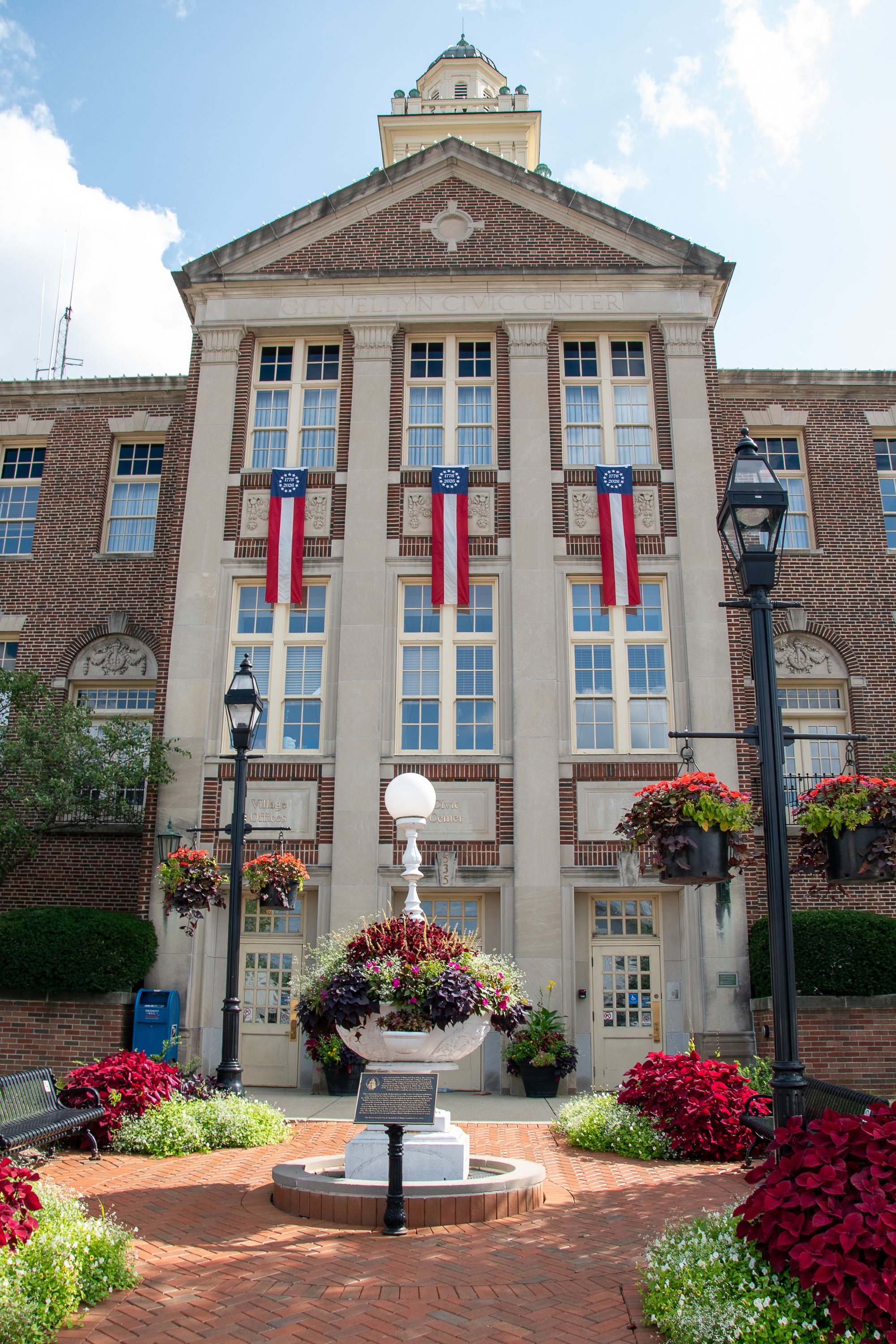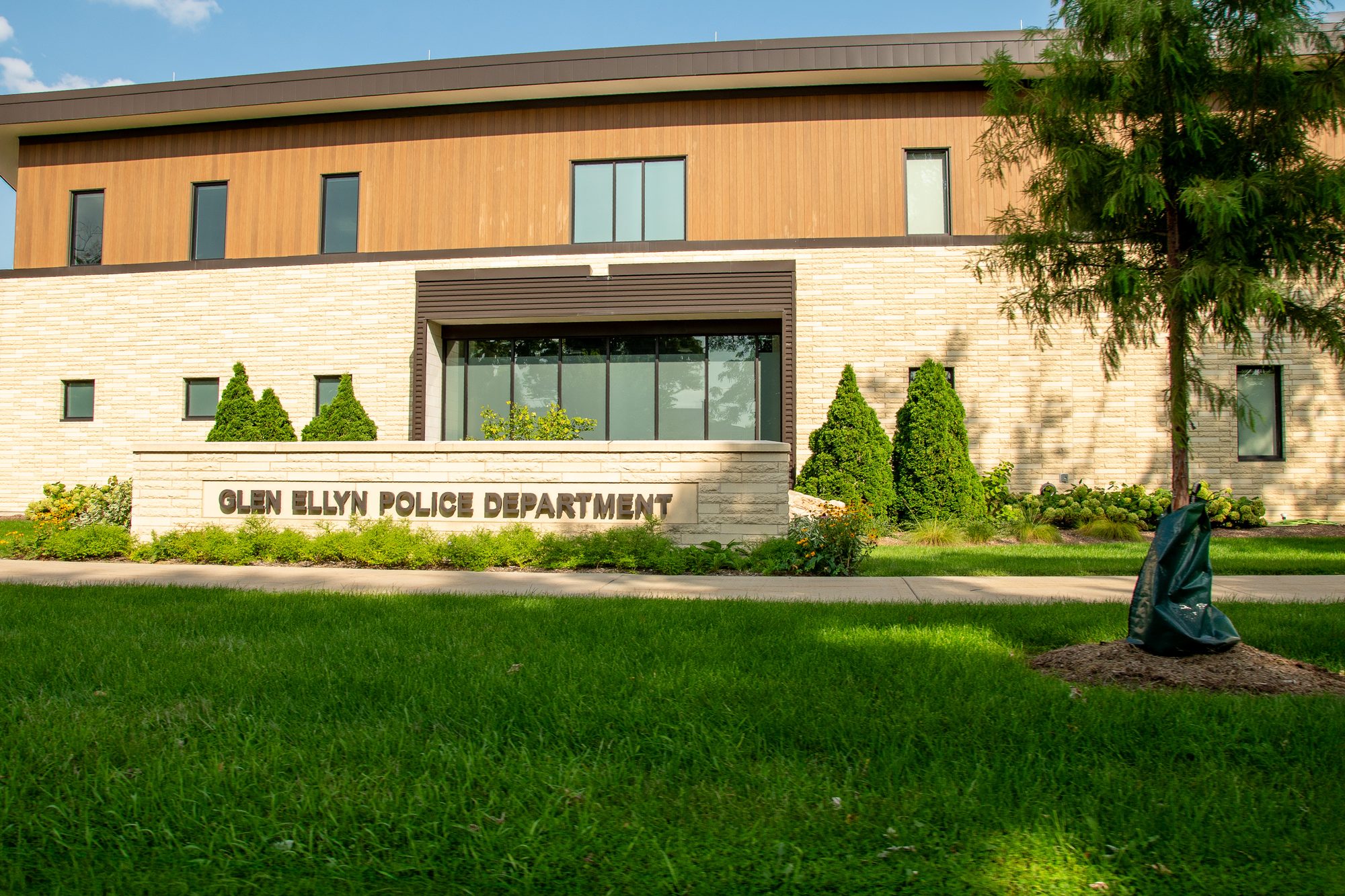
A retired police chief is urging Glen Ellyn to station a dedicated officer downtown to curb safety problems that have alarmed residents for over a year.
Tom Weitzel, former chief of the Riverside Police Department, laid out the case for a strategy called "Directed Patrol" in a Shaw Local column published Oct. 13. The approach would assign a uniformed officer and squad car to the downtown business district as a fixed, visible presence.
"When we faced a persistent problem, whether a nuisance issue or a crime situation, I assigned an officer specifically to that area," Weitzel wrote. "Not drive-bys. Not occasional checks. A dedicated presence."
Weitzel, who spent 37 years in law enforcement, wrote that as chief in Riverside he sometimes pulled a detective out of investigations and reassigned the officer to uniformed patrol until a problem was resolved. He cited Riverside Brookfield High School as another example, where officers were stationed at drop-off and dismissal every school day.
Residents report threats downtown
Glen Ellyn residents have reported being yelled at, threatened, chased and intimidated in the business district and residential neighborhoods over the past year, according to Weitzel's column. He wrote that one man reportedly screamed violent threats at diners, confronted a 9-year-old girl and followed women to their cars.
The Glen Ellyn Police Department acknowledged the concerns in a Sept. 22 statement, noting that officers had become aware of issues involving individuals frequently seen in the Central Business District and along Roosevelt Road. The department said that without a witness or other evidence of unlawful behavior, officers may not have legal grounds to act.
Legal limits constrain police response
Weitzel identified three Illinois laws that restrict what officers can do. The Illinois Bill of Rights for the Homeless Act guarantees unhoused individuals the right to move freely in public spaces.
The Mental Health and Developmental Disabilities Code sets a high bar for involuntary commitment, requiring proof of clear and present danger and a physician's certification. The SAFE-T Act has increased documentation requirements and raised the threshold for certain arrests.
Glen Ellyn Police Chief Philip Norton echoed those constraints at the Sept. 28 Village Board meeting. "The truth is, the law is very nuanced. … While a law may exist in writing, we know from our training it is unenforceable," Norton said at the meeting, as reported by Shaw Local.
At that same meeting, resident Stacy Creswell told the board the safety problems had troubled residents "for at least a year" and criticized officials for "only now reviewing ordinances."
Village Manager Mark Franz said at the Sept. 28 meeting that staff was researching options but that a public camping ban was not among them, because the circumstances it addresses "are not what we are currently facing in Glen Ellyn."
Weitzel: residents must cooperate
Weitzel wrote that existing Illinois statutes on disorderly conduct, assault and criminal trespass give officers authority to act when complainants, witnesses and evidence are present. He urged residents to call 911 when threatened, stay on scene if safe, provide video and press charges.
"If people want enforcement, they must participate in the process," Weitzel wrote.
No village response to the column has been made public. Norton said at the Sept. 28 meeting that the village attorney was reviewing local ordinances, but no follow-up date has been announced.