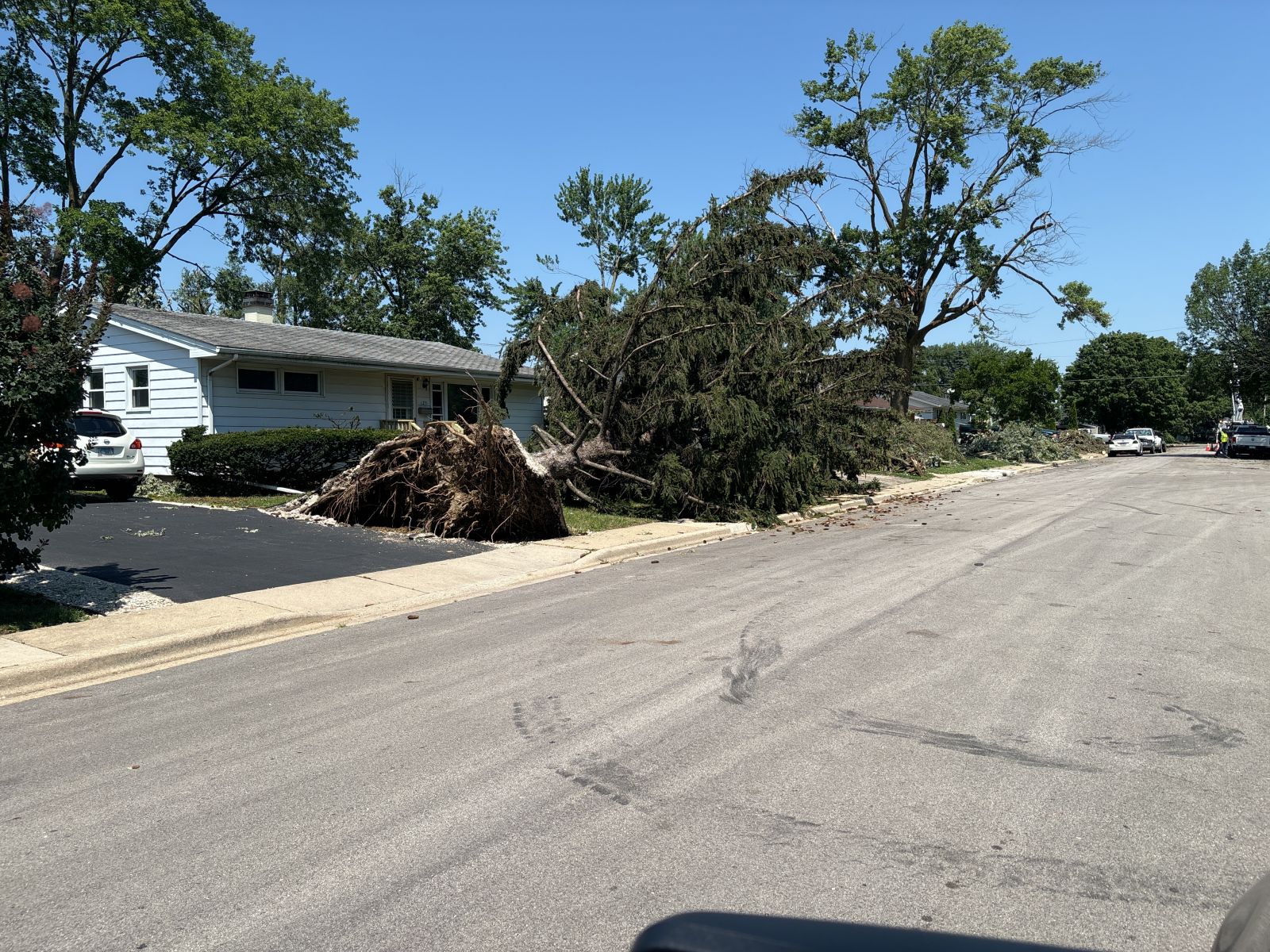
A tornado cut through Glen Ellyn on July 27, missing the College of DuPage campus by a few miles but pushing winds above 60 mph on campus grounds. The town escaped with little damage, but the storm was part of something much bigger.
Illinois has logged 210 confirmed tornadoes in 2026 as of Aug. 29, according to the National Weather Service in Romeoville. That more than triples the 20-year annual average of 66 and crushes the state's previous record of 142, set in 2024. The Chicago area alone has seen nearly 70 twisters, NBC Chicago reported, breaking its own 2024 record of 63.
Only Texas, with 244 tornadoes in 2015, has ever topped 200 in a single year, according to Newsweek.
Karly Schmidt-Simard, associate professor and Earth Sciences Department chair at College of DuPage who has joined five storm-chasing expeditions, said the developing El Niño could bring some relief.
"Typically, [an] El Niño phase is actually linked with slightly reduced tornadic activity here in Illinois," Schmidt-Simard told the COD Courier in a Sept. 7 interview.
El Niño is one half of a climate pattern called El Niño-Southern Oscillation (ENSO), involving above-average sea surface temperatures in the eastern equatorial Pacific that shift wind patterns worldwide.
The National Oceanic and Atmospheric Administration (NOAA) gives a greater than 90% chance of a "very strong" El Niño through fall and winter 2026-27, Block Club Chicago reported. NOAA pegs a 69% chance that the October-through-December period produces a historic event stronger than any El Niño on record since 1950.
Schmidt-Simard said El Niño typically brings warmer, drier conditions to Chicagoland because it shifts the polar jet stream northward, keeping cold Arctic air farther away. NOAA projects a 40% to 50% chance of above-normal temperatures for December through February.
She cautioned that the record tornado numbers deserve context. Tornado reporting methods have changed in recent years, she told the COD Courier, making it hard to separate real trends from shifts in how storms are counted.
NOAA's precipitation outlook gives the Chicago area equal chances of above-average, near-average or below-average precipitation this winter. Average winter snowfall for the area is nearly 30 inches.