An adult DuPage County resident has died from West Nile virus, the county's first West Nile death of the year.
The DuPage County Health Department (DCHD) announced the death Tuesday, Oct. 6, in a press release. Officials did not release the victim's age, gender or municipality of residence.
Six human West Nile cases had been reported in DuPage County as of Oct. 6. In 2025, the county recorded 14 human cases and one death.
"We are deeply saddened to share news of the first West Nile virus-related death in DuPage County this year," DCHD Executive Director Adam Forker said in the release. "Please remember to take simple steps to stop mosquito bites so you, your family, and your neighbors can stay safe."
The death is among three West Nile fatalities reported statewide this year, according to the Daily Herald. One of those deaths occurred in Chicago. Illinois recorded 10 West Nile deaths in 2025.
The DCHD said the positive mosquito pool rate in DuPage County stood at 13% for the week of Sept. 21-27. The department's Environmental Health Services team monitors West Nile activity from May through October using mosquito traps placed across the county.
Closer to home, Clarke Mosquito Control confirmed West Nile virus in a mosquito sample near St. Charles Road and Westgate Drive in Carol Stream, according to a village notice. The village conducted a village-wide mosquito control application Sept. 6. No human cases had been reported in Carol Stream as of the village's Sept. 8 notice.
Who is most at risk
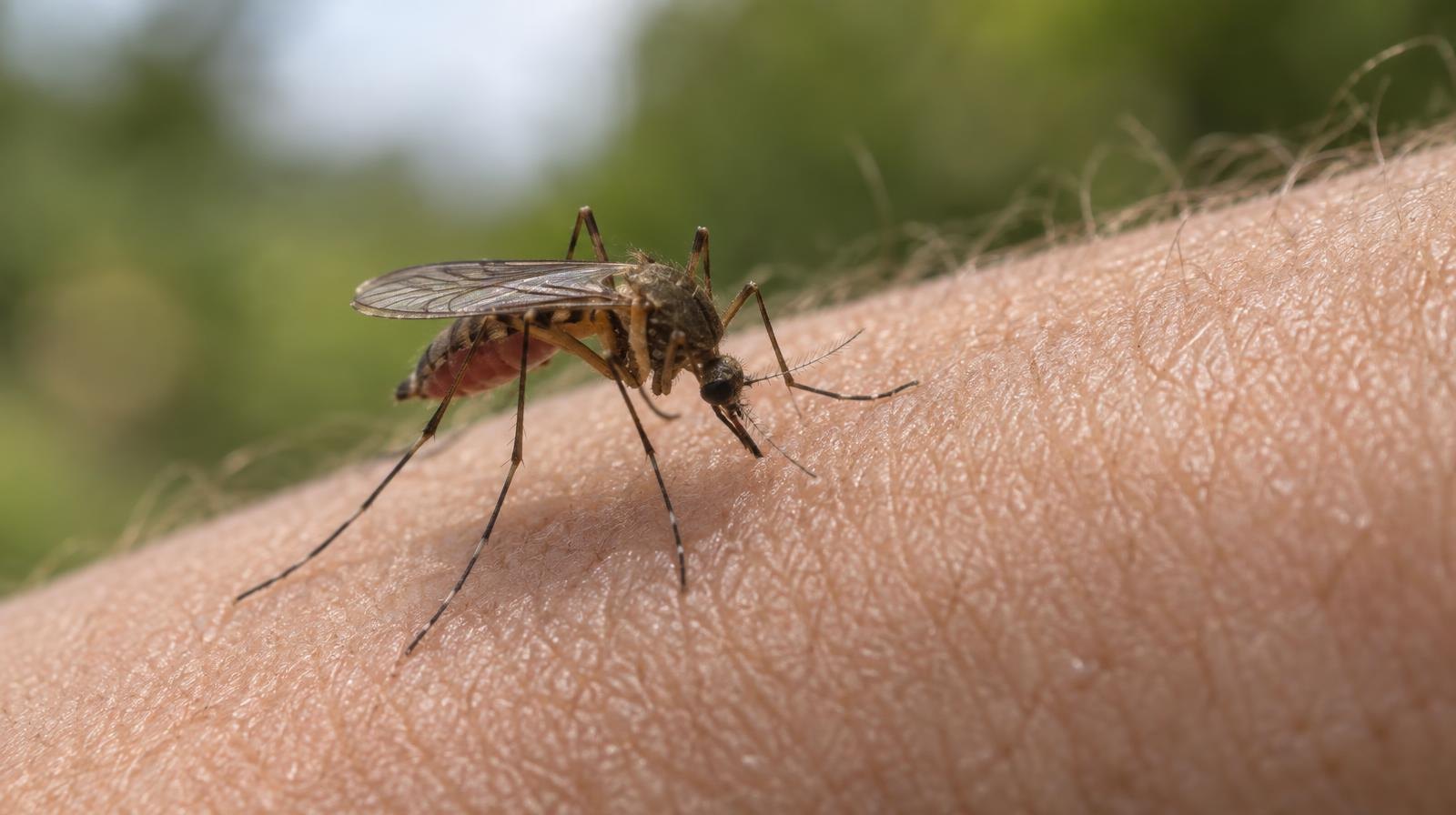
West Nile virus spreads to humans through bites from mosquitoes that picked up the virus by feeding on infected birds. No vaccine or treatment exists.
About one in five infected people develop symptoms, which can include fever, headache, body aches, vomiting, diarrhea or rash, according to the DCHD. Adults over 60 and people with conditions such as cancer, diabetes, high blood pressure, kidney disease or organ transplants face higher risk of serious illness. In rare cases, the virus can cause permanent neurological damage, coma or death.
The DCHD urges residents to seek immediate medical attention for high fever, neck stiffness, muscle weakness, confusion or tremors.
How to protect yourself
The health department recommends what it calls the "three Rs of defense":
- Reduce mosquito breeding sites by removing standing water and keeping window screens intact.
- Repel mosquitoes using EPA-registered insect repellent.
- Report areas where water sits for more than a week to the DCHD at (630) 682-7400.
Residents can check the Personal Protection Index on the DCHD website at dupagehealth.org for up-to-date information on local West Nile activity.