The Chicago Bears won't be building a stadium in the western suburbs or anywhere else in Illinois, at least not anytime soon.
Bears President and CEO Kevin Warren declared Thursday, Aug. 13, at Halas Hall in Lake Forest that Hammond, Indiana is the franchise's "sole focus" for a new stadium and mixed-use development, confirming the McCaskey family has committed $2 billion in private money toward the project, according to Patch.
The announcement lands roughly 30 miles from Glen Ellyn, Lombard, Carol Stream and Glendale Heights, and it comes after DuPage County's legislative lobbyist Chip Humes briefed the county's Legislative Committee on Tuesday, July 7, on the Bears stadium situation as part of his end-of-session report, indicating county government was actively tracking the legislation's progress in Springfield.
That legislation failed. The Illinois House passed a megaprojects bill 78-32 on Wednesday, April 22, that would have let the Bears make special payments to local governments in lieu of higher property taxes on an Arlington Heights stadium. But the bill stalled in the Illinois Senate over concerns about whether its property tax relief provisions were meaningful for area school districts and residents, according to the Chicago Tribune.
Two Hammond sites, one deal
Warren identified two Hammond properties under consideration: the Lost Marsh Golf Course, where due diligence is complete and the land has been confirmed viable for construction, and the Wolf Lake Terminal site, where environmental studies continue. He said the team may merge both into a single larger development.
NFL Commissioner Roger Goodell has personally visited the Lost Marsh property, Warren said.
Indiana Gov. Mike Braun signed Senate Bill 27 on Thursday, Feb. 26, establishing the Northwest Indiana Stadium Authority to finance, construct and lease a potential Bears stadium. Under that deal, the authority would own the stadium, meaning the Bears would pay zero property taxes on the facility, according to Shaw Local. Indiana has authorized up to $1 billion in public funding through a 1% food-and-beverage tax in Lake and Porter counties, a 5% hotel tax in Lake County, a 12% admissions tax on stadium events and special tax districts around the site, according to the Chicago Tribune.
Illinois left behind
Bears Chairman George McCaskey called discussions with Illinois lawmakers since the board's June 5 vote to focus on Hammond "minimal." The Bears have no written proposal before the state, he said.
Gov. JB Pritzker, speaking at the Illinois State Fair the same morning, confirmed the Bears have not presented bill language to his administration.
Warren said the team's requirements for an Illinois project never changed: property tax certainty and infrastructure certainty. Neither materialized.
"We don't have any legislation in Illinois. We don't have a deal with Illinois. Our focus, again, at this point in time, is in Hammond, Indiana, and we're doing everything that we possibly can," Warren told reporters.
Warren said stadium development costs are rising by nearly $150 million per year, adding urgency. He declined to set a timeline for a final decision.
What it means for the Glenbard area
The Bears purchased the 326-acre Arlington Park property in Arlington Heights for $197.2 million in 2023, initially envisioning a stadium and entertainment district there. McCaskey said the argument for that site was "unsuccessful" in Springfield. The property's future remains unresolved.
The team reaffirmed in February that Halas Hall will remain in Lake Forest regardless of where the stadium lands. The franchise will stay the "Chicago Bears," McCaskey said.
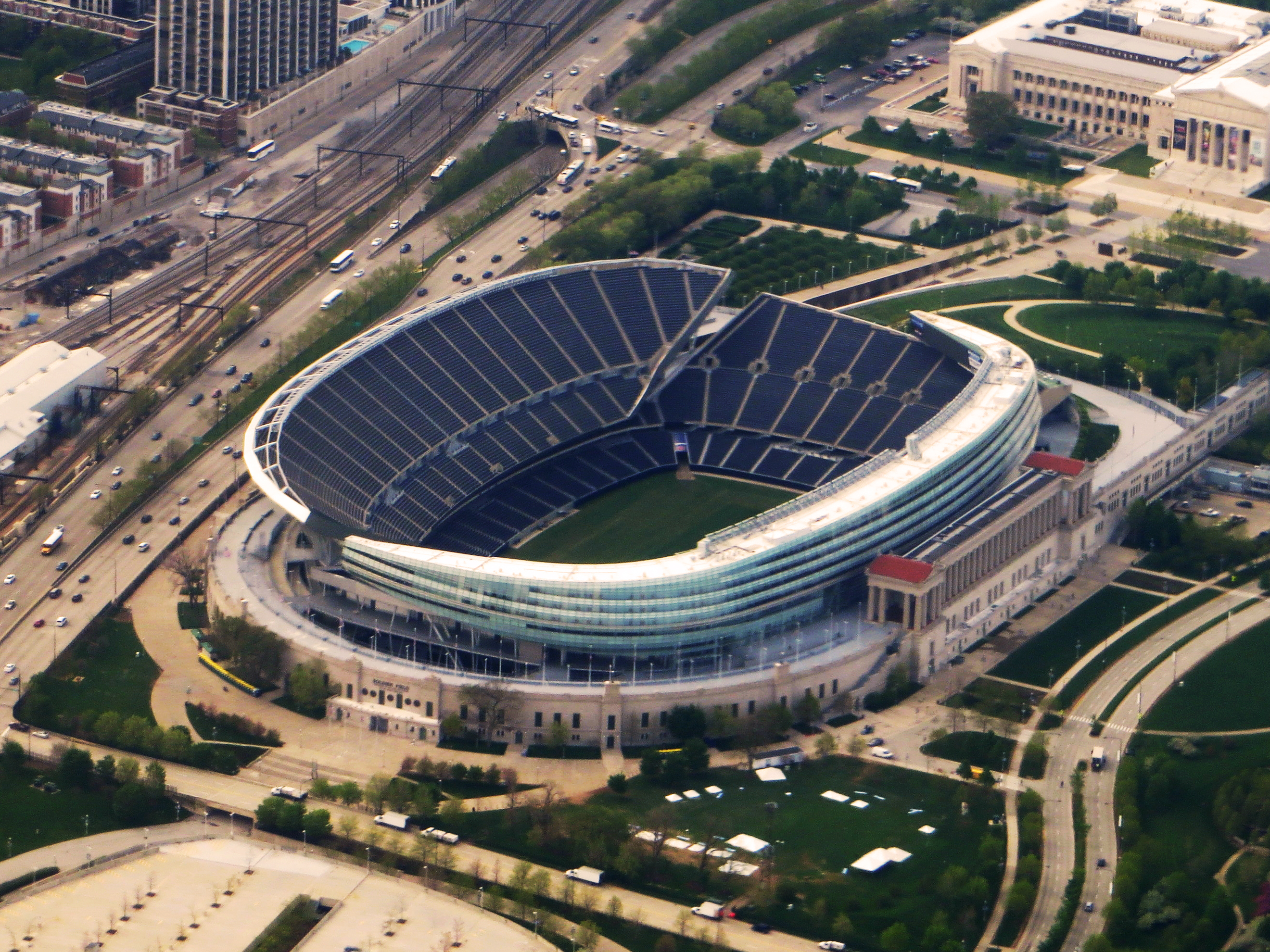
The Bears' current lease at Soldier Field runs through 2033. The Illinois General Assembly's fall veto session, scheduled Nov. 17–19 and Dec. 1–3, represents the next window for any Illinois stadium legislation.