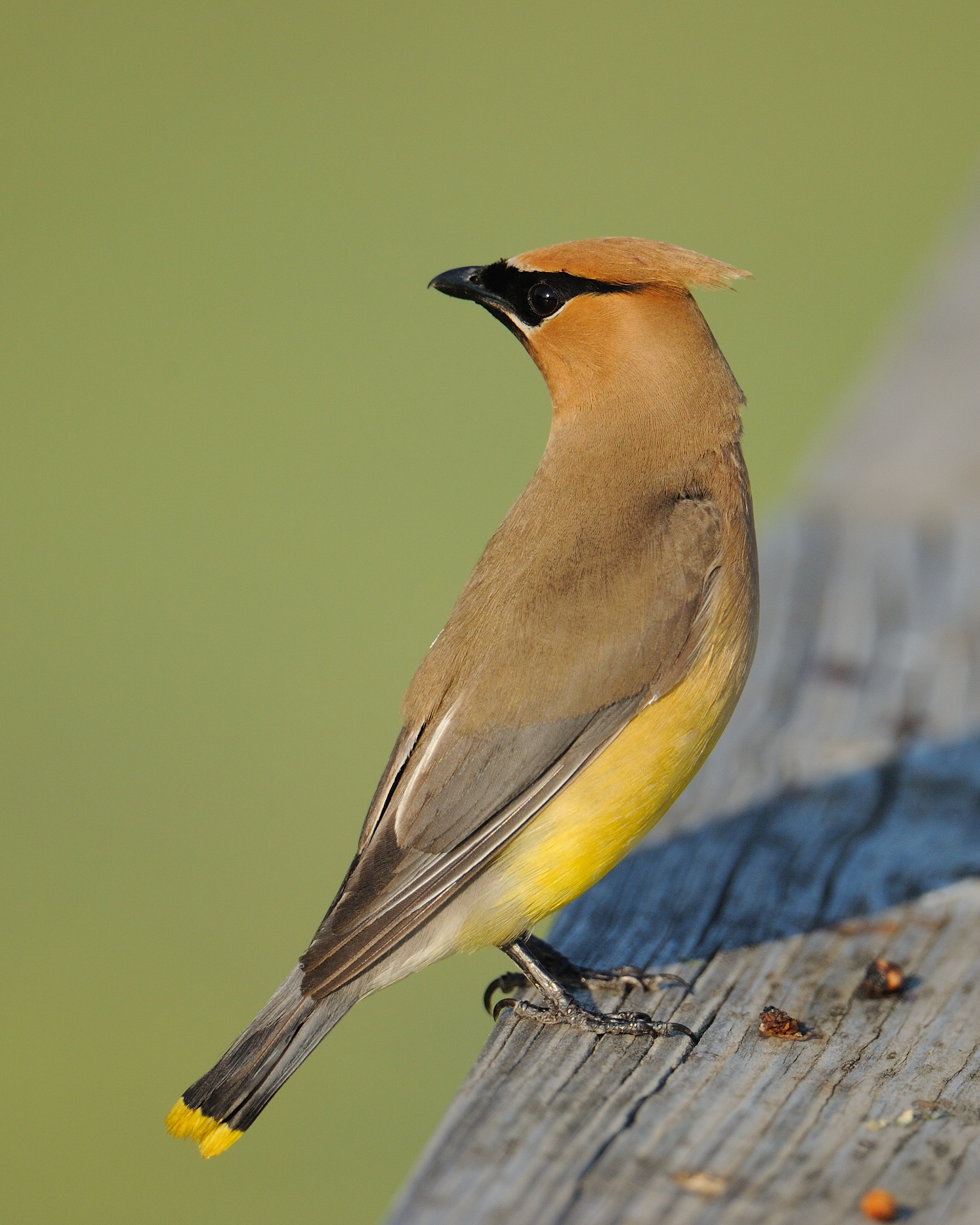
The DuPage Wildlife Conservation Center in Glen Ellyn took in 334 injured birds over the weekend of Oct. 17-18 after more than 1,000 migratory birds were killed or hurt in collisions with Chicago buildings, according to the Daily Herald.
Head veterinarian Sarah Reich said her team was ready for the surge.
"We're a well-oiled machine," Reich said. "We're able to manage whether it's 50 birds or 200 birds."
The center sits within the 48.25-acre Willowbrook Forest Preserve and opened to the public on Jan. 12 after a renovation the Daily Herald reported cost more than $25 million. The 27,000-square-foot facility replaced a clinic built in 1981, according to the Forest Preserve District of DuPage County's press materials. It is the district's first net-zero-designed building, meaning it is designed to produce as much energy from renewable sources as it consumes over a year.
The building has earned LEED Gold certification. A ground-source geothermal system handles heating and cooling, and solar panels on the ground and roof generate electricity, according to a district announcement. Since the district began tracking energy performance April 1, the building has produced a surplus of roughly 300,000 kilowatt-hours, putting it on track to meet its net-zero goals.
The center treats approximately 11,000 injured and orphaned wild animals each year, according to the district. Wildlife education supervisor Stephanie Touzalin told Fox 32 in January that the facility is the largest wildlife rehabilitation center in the state.
Chicago sits along the Mississippi Flyway, one of four major migratory routes for birds in North America. The Chicago Bird Collision Monitors (CBCM), a volunteer group, collected injured birds from sidewalks and delivered them to Glen Ellyn. Reich said her team coordinates closely with the CBCM so staff can set up carriers and supplies before large groups arrive.
The Daily Herald's Harris Horowitz described veterinary technician Jessica Pledge examining an injured northern flicker, a woodpecker that hit a glass window in Chicago's Fulton Market neighborhood on Oct. 27 during its southward migration. A CBCM volunteer drove the bird an hour to Glen Ellyn. Staff noted the flicker's initial condition on the brown paper bag where it was held: concussed, quiet, but alive.
Birds with head trauma or light bruising start on a few days of pain management and daily checkups. They then move to one of three bird rooms matched to their species and condition. After another three to four days, veterinarians run a flight test to decide if a bird can be released. More serious injuries require at least two weeks of conditioning in one of 10 outdoor flight rooms.
That timeline creates a problem for migratory birds.
"An injury that they could have healed in two weeks, if they miss that migration window, they could be with us for five months," Reich said.
The center has space to hold birds through winter. Staff monitors migration patterns using eBird, a tool from the Cornell Lab of Ornithology, to time spring releases when a bird's species returns to the area.
The renovated facility also includes exhibits showing homeowners how to treat windows to reduce bird collisions. All exterior and interior windows at the center use bird-friendly glass with dots that help birds see the surface. Six large viewing windows let visitors watch veterinarians examine and treat animals.
The visitor center and animal admittance area are open 9 a.m. to 4 p.m. Thursday through Tuesday and 9 a.m. to noon on Wednesdays. The suggested donation is $5 per person for ages 3 and up. Residents who find injured wildlife can call 630-942-6200 before bringing an animal in.